A Curator's Guide to Modern and Classic Ceiling Lights
The overhead light in a room does more than just banish shadows; it sets the entire mood. A well-chosen fixture acts as the jewelry of a space, a focal point that can define a room's character. The real challenge isn't finding a light, but navigating the vast world of options. This is where a thoughtful collection of modern and classic fixtures becomes an invaluable resource for any designer or homeowner. It’s about understanding the dialogue between a sleek, contemporary pendant and an ornate, traditional chandelier, and knowing how to orchestrate that conversation in a single room.
The Two Worlds: Modern vs. Classic Design Language
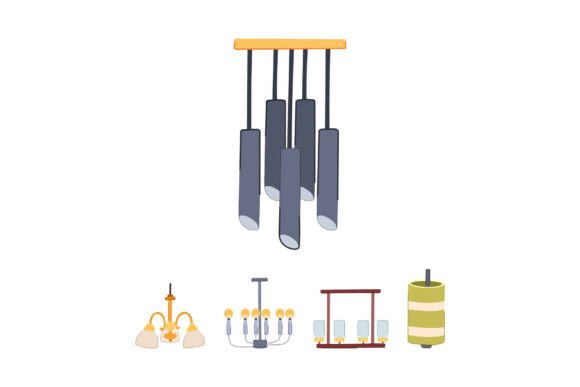
When we talk about a "collection," we're not just referring to a random assortment. A curated collection presents a spectrum of design possibilities. On one end, you have the classics. Think of an ornate chandelier with cascading crystal drops or intricate wrought-iron scrollwork. These pieces carry a sense of history and formality. Their visual personality is often grand, detailed, and rooted in historical periods like Baroque, Art Deco, or Victorian. They bring a layer of richness and texture that can anchor a traditional space or provide a surprising counterpoint in a minimalist one.
On the other end lies the modern aesthetic. Contemporary pendant lamps and decorative luminaires often prioritize clean lines, geometric forms, and industrial materials like brushed metal, blown glass, or matte concrete. Their appeal lies in their sculptural simplicity. A single, bold pendant over a dining table can be just as commanding as a multi-armed chandelier, but its impact comes from form and negative space rather than ornamentation. These fixtures speak to a desire for clarity, function, and a design language that feels of-the-moment.
Finding the Right Fit: Application and Atmosphere
The beauty of having access to both modern and classic designs is the ability to tailor the light to the specific function and desired atmosphere of a space. A home office or a modern kitchen often benefits from the focused, task-oriented nature of contemporary pendants or track lighting. Their uncluttered design helps maintain a clear, productive mindset. For web design mockups or brand identity projects for a tech startup, showcasing a product in a space with this kind of lighting immediately communicates innovation and forward-thinking.
Conversely, a dining room, entryway, or master bedroom can be transformed by a classic chandelier or a series of decorative sconces. These fixtures create pools of warm, inviting light that encourage conversation and relaxation. In editorial design for a luxury lifestyle magazine or in packaging design for a high-end cosmetic brand, the presence of classic lighting in a photograph instantly conveys elegance, tradition, and a sense of established quality. It’s a visual shortcut to a specific emotional response.
The Power of the Mix: Eclectic Harmony
Perhaps the most compelling use of this diverse collection is in creating eclectic interiors. A designer might pair a sleek, minimalist pendant over a kitchen island while a vintage-inspired, semi-flush mount provides ambient light in the adjacent living area. This approach requires confidence and a good eye for balance. The key is to find a unifying element—perhaps a shared metallic finish, a similar scale, or a complementary color temperature. This strategy prevents a space from feeling disjointed and instead makes it feel collected and personal, a true reflection of a creative professional's unique taste.
Practical Guidance for Selection and Specification
Choosing the right fixture goes beyond aesthetics. As a designer or content creator, you're making a decision that impacts functionality, budget, and long-term satisfaction. Here are a few practical considerations:
- Scale and Proportion: A common mistake is choosing a light that's too small for the space. A general rule for a dining room is that the fixture's diameter (in inches) should be close to the room's length plus width (in feet). Always mock it up to scale in your plans.
- Light Quality and Bulbs: Consider the type of light. Do you need the bright, clean light of an LED for a workspace, or the warm, dimmable glow of an incandescent or warm-tone LED for a bedroom? The fixture's design will dictate how the light is dispersed—uplighting for ambient glow, downlighting for task focus, or all-around for general illumination.
- Material and Maintenance: A crystal chandelier is stunning but requires occasional cleaning. A simple metal pendant is low-maintenance. For client projects, discussing the long-term care of fixtures is a mark of professionalism.
When presenting options to clients or in your own design boards, create a clear hierarchy. Use a bold, ornate chandelier as the primary "hero" image for a formal space concept. Then, support it with images of complementary modern sconces or recessed lighting to show how a full lighting plan works together. This demonstrates a holistic understanding of interior design, moving beyond just selecting individual pieces to orchestrating an entire environment. The goal is to build a cohesive brand identity for the space, where every element, from the logo design on the door to the typography on the menu and the display font on the wall, tells a consistent story—and the ceiling light is a central character in that narrative.